/ Monthly Cultural Teachings
Culture, Identity & Belonging
Monthly Cultural Teachings
Culture is part of everyday care at HF Resources. Monthly Indigenous cultural teachings create opportunities for children, youth and young adults to explore identity, relationships, wellbeing and connection with family, community and the land.
Seven Sacred Teachings
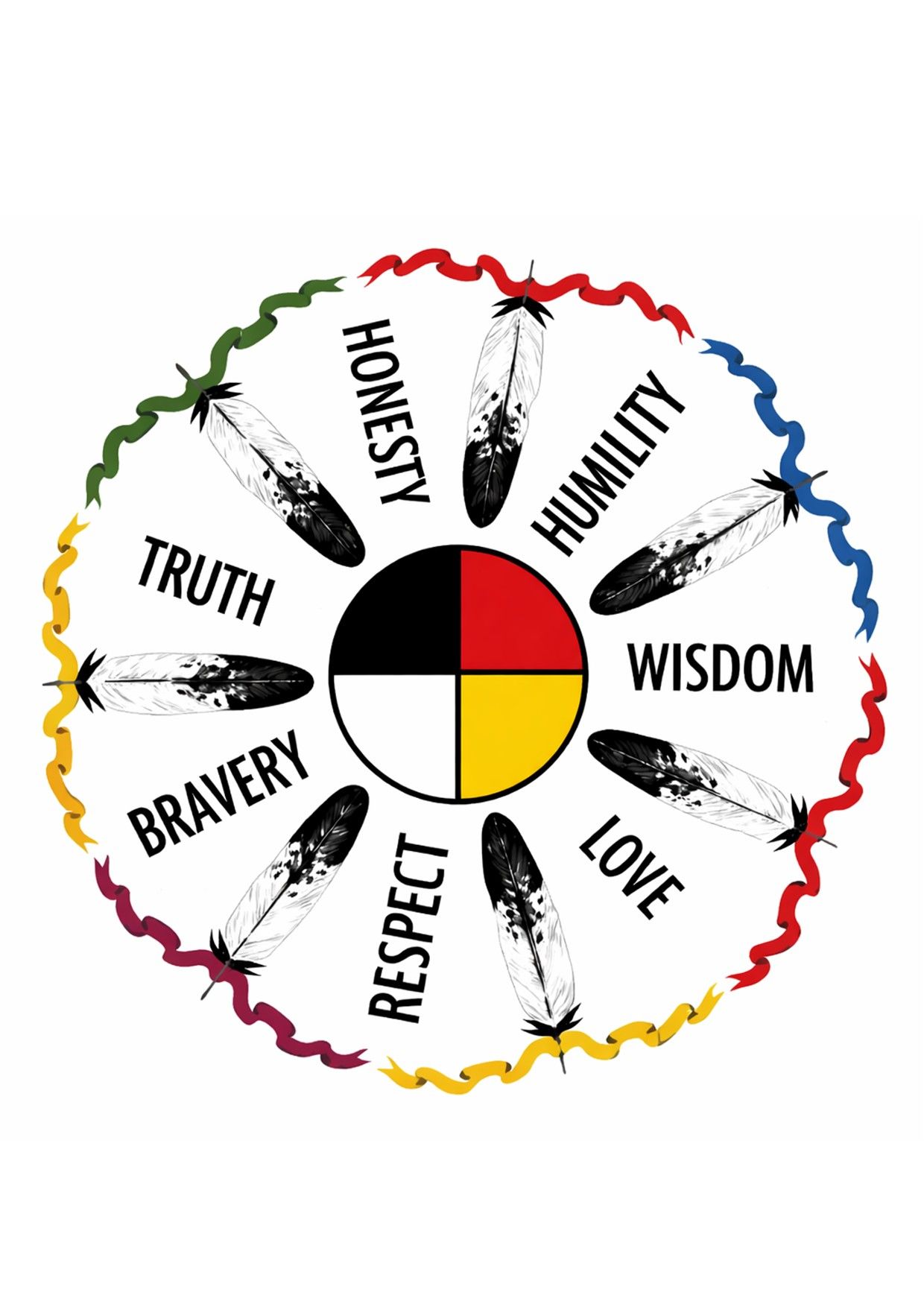
The teachings may inform relationship and reflection when appropriate to the person’s cultural plan and community guidance.
01
Prepare & Invite
The Cultural Teacher prepares a monthly theme and resources. House Leads introduce the learning, explain what to expect and invite participation based on each person’s interests and cultural plan.
02
Learn Together
A teaching can be explored through a story, conversation, visual resource or guidance from a cultural connection. Staff allow time for questions, understanding and different ways of communicating.
03
Try an Activity
People can take part in a practical activity linked to the theme. The activity is adapted to age, strengths, developmental needs, sensory preferences and the support available.
04
Carry It into Daily Life
House Leads support reflection and record the learning and participation. Staff look for everyday opportunities to revisit the theme through relationships, routines and individual goals.
A Monthly Rhythm
Learning That Continues Beyond One Activity.
Monthly teachings are developed by the Cultural Teacher and supported in each home by House Leads. Themes and activities are adapted to the people taking part, their cultural plans and available community guidance
Themes We Can Explore.
The examples below offer a flexible learning framework. Each home’s monthly plan reflects individual needs, interests, family connections and cultural guidance.
Identity & Belonging
Explore family, personal identity, community and the connections that help a person feel known and valued. Activities can include a personal story, a belonging collage or a conversation about the people who matter.
Stories & Language
Listen, share and learn through stories, cultural resources and language opportunities where appropriate guidance is available. A person may participate through pictures, a familiar phrase, listening or a short conversation.
Land & the Seasons
Connect learning with the land, changing seasons and care for the environment. Depending on the person’s plan and available supports, this can include nature walks, observation, gardening or community-led land-based learning.
Holistic Wellbeing
Reflect on physical, emotional, mental and spiritual wellbeing. Where appropriate to the person’s cultural plan and community guidance, Medicine Wheel learning can support conversations about balance, self-care and connection.
Family & Community
Recognise the importance of family, kinship, Nation and community. Opportunities may include learning from an Elder or Knowledge Keeper, attending a cultural gathering or sharing a family tradition when invited.
Creativity & Reflection
Use art, colouring, music, storytelling and practical activities to explore a teaching. Reflection can be expressed in the person’s own way, including through communication supports or quiet participation.
Values in Everyday Life
The Seven Sacred Teachings.
These teachings provide opportunities to reflect on relationships, choices and care for others. The examples below show how values can be explored in daily life; the meaning and teaching process follow the person’s family, Nation and community guidance.
Honesty
Practise naming feelings, asking for help and speaking truthfully in ways that feel safe.
Humility
Make space to listen, learn from others and recognise that everyone has something to contribute.
Wisdom
Explore how learning and experience can help with everyday choices and problem-solving.
Love
Notice small acts of care for oneself, family, friends and community.
Respect
Practise asking permission, listening and caring for people, belongings and the land.
Bravery
Recognise the courage involved in trying a new skill, asking a question or seeking support.
Truth
Reflect on how words, choices and actions connect with the values a person is learning.
First Nations, Métis and Inuit cultures are distinct. Teachings, stories, symbols and protocols vary between communities; learning is guided by the connections appropriate to each person.
Choice & Accessibility
Many Ways to Take Part.
A person may listen, ask questions, create something, join a group or choose an individual activity. Participation is voluntary and respects cultural identity, consent, emotional safety and personal preferences.
Predictable & Accessible
Visual supports, clear language, shorter activities and familiar routines help make learning accessible to people with autism or developmental disabilities. Activities can be adjusted for communication and sensory needs.
Guided by Relationships
Family, Nation, Elders, Knowledge Keepers and community connections help inform cultural planning when requested and available. A person’s own background and relationships guide the learning.
Connected to Community
Smudging, ceremony, circles, powwows, round dances and land-based opportunities may be explored where appropriate. Participation follows the person’s plan, consent, community protocols and available cultural supports.
Consistent Support
A Shared Responsibility Across Our Homes.
Cultural Teacher
Develops monthly teaching resources, supports and coaches staff, and provides annual Indigenous awareness training for the team.
House Leads
Guide the monthly learning within each home, adapt activities with staff and document participation, reflection and follow-up.
House Programs Manager
Oversees implementation through the House Leads and follows up on the delivery and documentation of cultural supports.
For Families & Service Partners
Questions About Cultural Learning.
How are the monthly activities arranged?
Themes and activities are arranged within each home. The House Lead can discuss the monthly plan with the person served and their authorised family or service team, including the connections and supports that may be helpful.
Does everyone have to participate?
No. Participation is voluntary. Staff respect a person’s choice to join, observe, take a break or choose another activity, as well as their cultural identity and preferences.
Can learning be adapted for autism or developmental disabilities?
Yes. Learning can use pictures, concrete examples, predictable steps, shorter sessions and different ways of communicating. Adaptations are based on the individual rather than a single standard activity.
Can families or cultural connections contribute?
Families and service teams are encouraged to discuss meaningful traditions, language, interests and community connections with HF. Any involvement is coordinated with the person’s consent, cultural plan and relevant protocols.
Speak with HF Resources
Discuss Cultural Supports.
Talk with HF about a person’s cultural interests, family and community connections, or how monthly learning can support their placement plan.